Reduce energy costs, optimize peak loads—how to benefit from commercial energy storage systems
Rising energy prices and the increasing complexity of power grids are posing growing challenges for commercial businesses. High costs resulting from peak loads, as well as dependence on the public grid, have a direct impact on cost-effectiveness and operational reliability. Commercial energy storage systems offer an effective technical solution for sustainably reducing these costs and specifically optimizing peak loads.
Basics: Definition and Structure of Commercial Warehouses
A commercial energy storage system is an energy storage system with capacities and performance characteristics specifically designed for commercial and industrial use. Unlike residential storage systems, these systems are designed to handle larger loads and longer operating times. They store electrical energy—often from photovoltaic systems or the public grid—and release it as needed. The storage systems are typically based on lithium-ion battery technology, supplemented by smart control units that optimize energy flow in real time. Key technical parameters include energy capacity (in kilowatt-hours, kWh), maximum charge/discharge power (kilowatts, kW), service life, as well as modularity and scalability.
Benefits of Commercial Storage for Businesses
Commercial energy storage systems enable a significant reduction in energy costs by maximizing the self-consumption of self-generated electricity, thereby reducing the need to purchase power from the grid. They also allow for the targeted shifting of loads and the reduction of peak loads. This helps avoid expensive peak-load charges, which often account for a significant portion of the electricity bill. Interim storage reduces dependence on the public grid, which represents an economic advantage in the event of grid congestion or rising energy prices. Additionally, commercial storage systems stabilize the energy supply and improve supply security, which also benefits sustainable business management in the long term.
Clarification of key technical terms and concepts
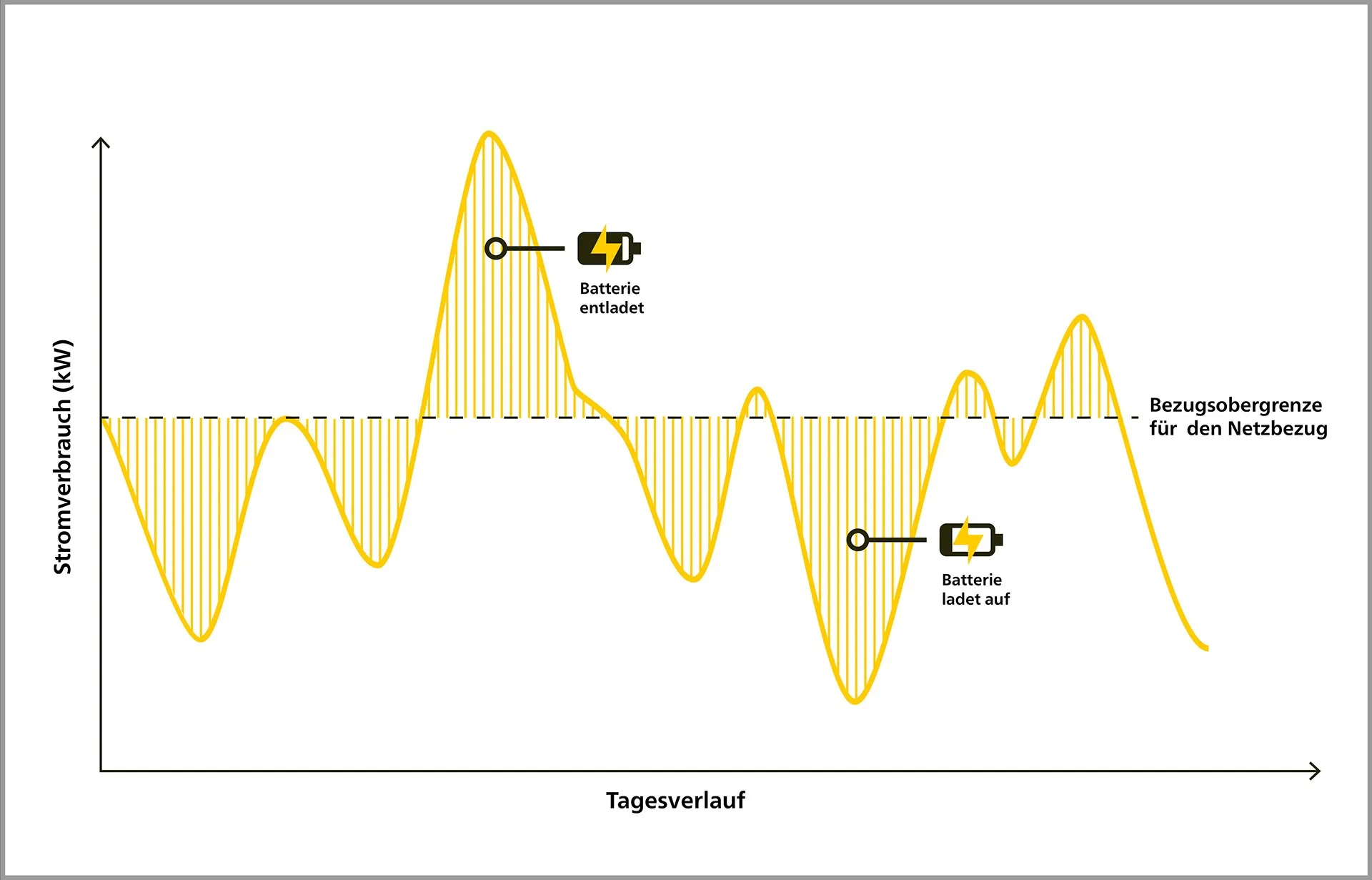
- Load shifting: This term describes the deliberate shifting of energy consumption over time to avoid or smooth out peak loads. For example, excess solar power generated during periods of low grid demand can be stored and used during later peak times. This helps relieve the strain on the grid and reduces energy costs by avoiding surcharges for peak loads.
- Optimizing Peak Loads: Peak loads refer to sudden, short-term spikes in electricity consumption that result in high additional costs. These peak loads are optimized through intelligent control of commercial storage systems, which supply energy during peak hours and thereby reduce grid draw during those times. This lowers grid usage fees and minimizes the strain on the power grid.
- Energy trading: Energy trading refers to the trading of surplus energy on the electricity market. Commercial storage systems with smart controls can sell stored energy at strategic times when market prices are high and purchase or charge electricity during off-peak hours. This capability opens up additional revenue streams and improves the company’s bottom line.
Smart Storage Technology: Connectivity and Energy Management
Modern commercial energy storage systems feature advanced energy management systems that monitor and control load profiles, power generation, and consumption in real time. The integration of interfaces with photovoltaic systems, heat pumps, and other consumers enables optimized load distribution and increased system efficiency. Energy trading can be enabled via energy market platforms, allowing surplus energy to be utilized economically. This combination of automated load management and market integration makes commercial storage systems versatile solutions that intelligently combine economic and environmental benefits.
Selection Criteria for Commercial Storage Facilities: Technical Requirements
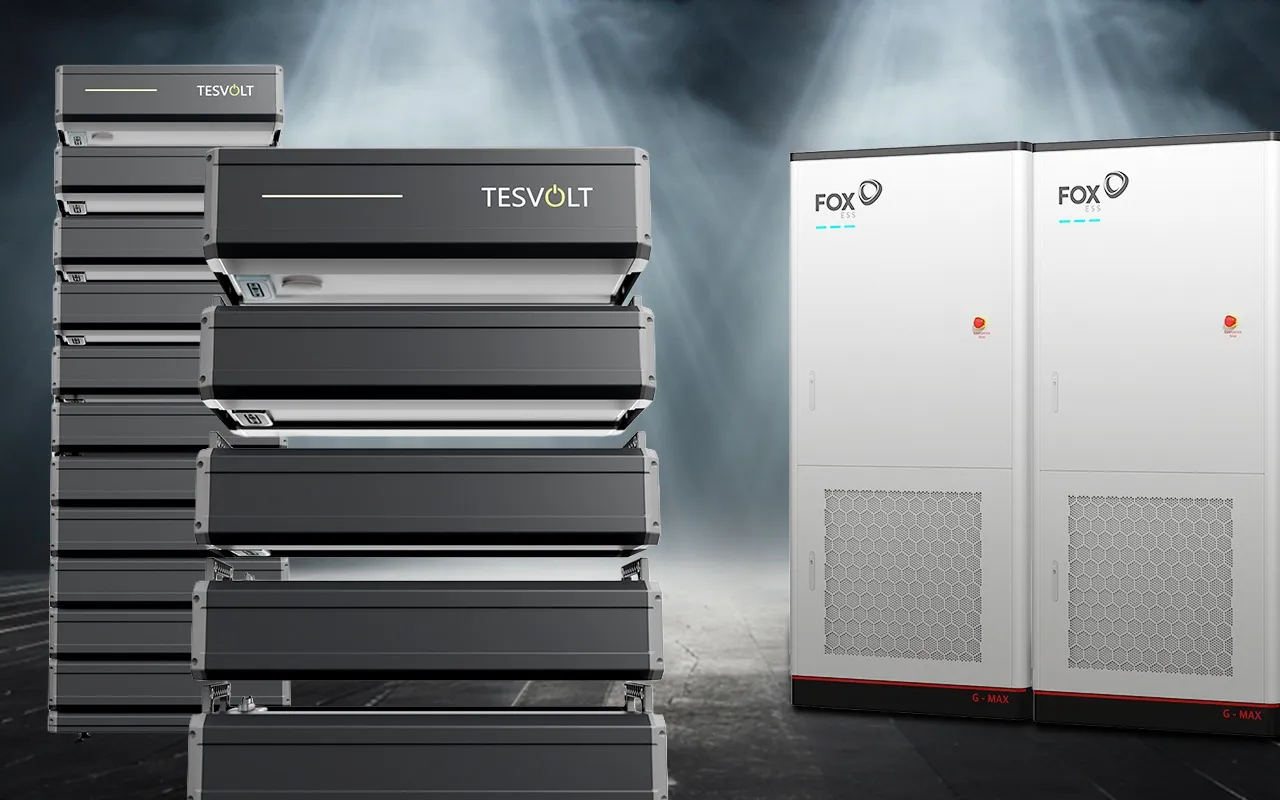
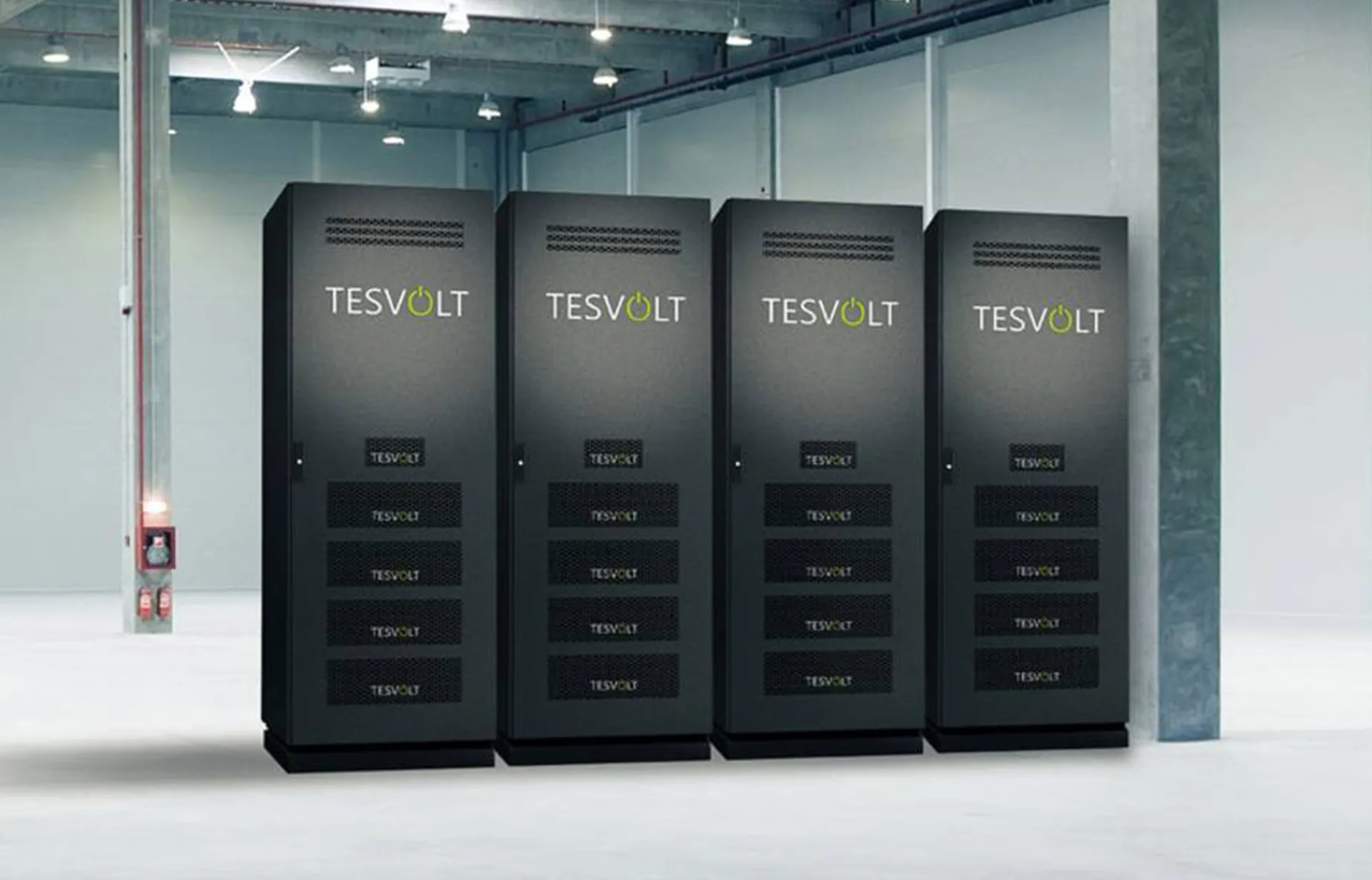
When sizing a commercial energy storage system, capacity and maximum charging/discharging power are key parameters. The system’s modular design ensures adaptability to future load changes or expansions. Battery technology with high reliability and a long service life ensures cost-effective operation. Additionally, compatibility with existing photovoltaic and energy management systems must be ensured. Important quality and safety standards must be met, such as certified marks like TÜV or CE. Devices from manufacturers such as TESVOLT and FOX ESS meet these requirements through certified components and systems.
You can find a selection of commercial energy storage systems here
Cost-effectiveness and government incentive programs
The investment costs for commercial storage systems are offset by savings in energy costs, particularly through reduced peak loads and increased self-consumption. National and regional incentive programs, such as those offered by KfW, provide financial support. Tax benefits and depreciation options make additional investments more attractive. A customized cost-benefit analysis is recommended prior to installation to identify and fully leverage potential opportunities.
Future Prospects: Integration into Smart Grids and Innovative Developments
Commercial energy storage systems are key components of future smart grids. Interconnection with renewable energy sources and the use of artificial intelligence enable predictive maintenance and optimized control. Trends such as virtual power plants and blockchain-based trading platforms open up expanded applications in energy trading. The development of modular and scalable systems supports adaptation to continuously growing requirements and technological innovations.
Practical Guide: Step-by-Step Implementation of a Commercial Warehouse
The successful integration of a commercial energy storage system begins with thorough planning and technical consultation by qualified professionals. A detailed analysis of load profiles forms the basis for selecting the right system. Installation is carried out by certified specialists, followed by commissioning, including fine-tuned configuration of the control system. Continuous monitoring and regular maintenance ensure safe and efficient operation and enable ongoing optimization of storage strategies. Specialist partners offer comprehensive support for planning and installation. As a certified TESVOLT partner, we are happy to assist you with the planning, installation, and commissioning of your TESVOLT system. Learn more…
Conclusion: Economic efficiency and security of supply through smart commercial storage systems
Commercial energy storage systems make a measurable contribution to the economic optimization of energy supply in commercial facilities by reducing costs, optimizing peak loads, and enhancing supply reliability. The combination of smart storage technology and energy trading opens up new economic and environmental opportunities. Specialized companies and planners should fully understand and efficiently utilize these technologies to realize the full potential of commercial energy storage and pave the way toward a sustainable energy future.
About the author
TRITEC has been a leading photovoltaic wholesaler and reliable partner for PV, construction companies and investors worldwide for over 34 years. With many years of experience in photovoltaic system wholesale and large-scale plant construction, TRITEC offers innovative photovoltaic system solutions, efficient PV, precise planning tools and comprehensive performance controls for solar systems. The product portfolio also includes high-quality branded products from renowned photovoltaic manufacturers. With this technical expertise and a wide range of photovoltaic components, TRITEC supports customers in the successful implementation of sustainable solar projects.